
Varicose veins2
Available Modalities
All modalities of treatment available at Integura
The current modalities of treatment available for treating varicose veins are
- Endovenous thermal ablation – Laser
- Mechano chemical Ablation-
- Foam Sclerotherapy
- Cyanoacrylate glue
- Multiple phlebectomies
Mr. Sridhar is not an agent for any one particular product/company. He will suggest the best option for you based on your clinical and personal needs and based on his wide experience and updated knowledge.
Endovenous Laser Ablation (EVLA)
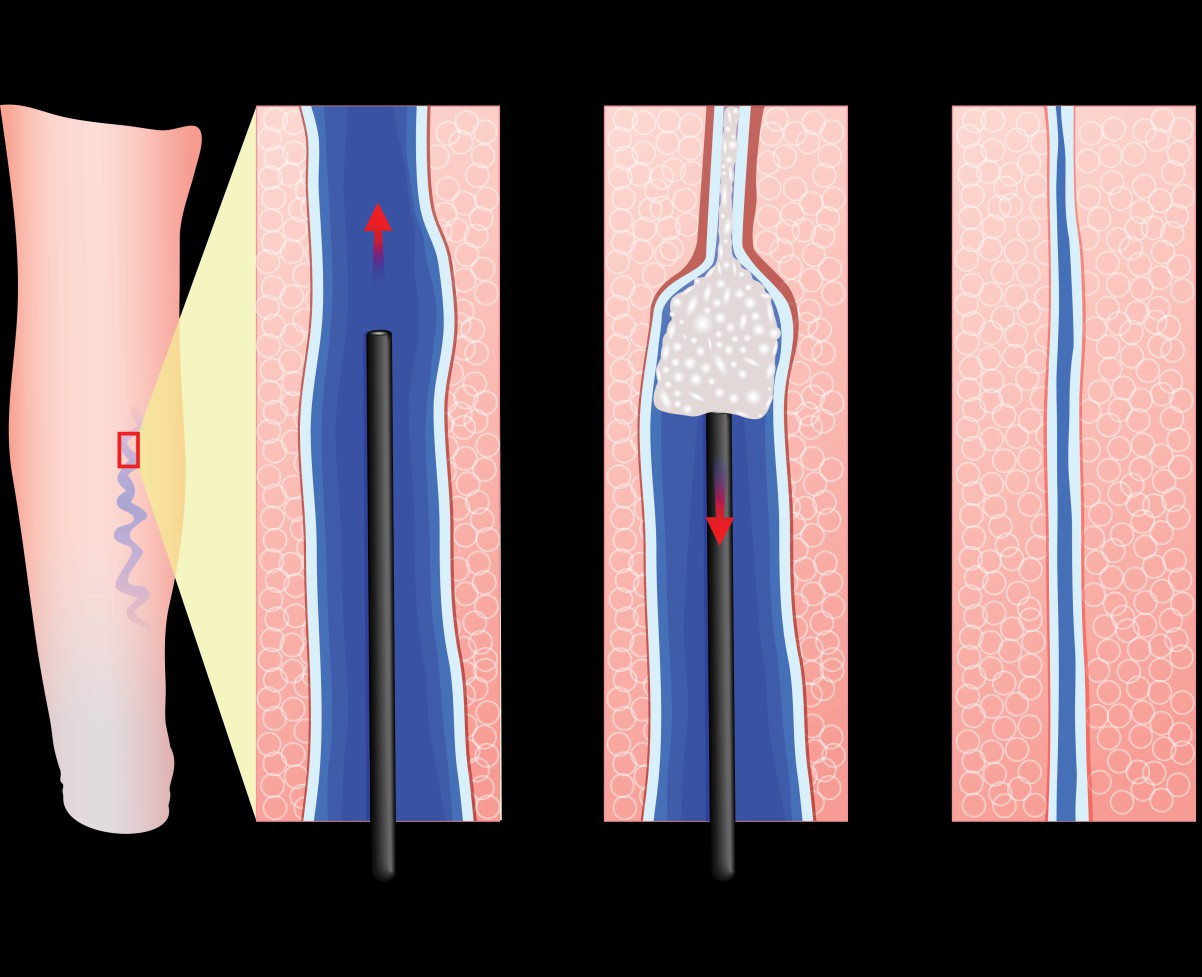
EVLA is an established gold standard technique for the treatment of varicose veins and has replaced traditional surgical techniques in the treatment of varicose veins in most cases. The abnormal vein is heated by a laser. A wire with a laser tip is introduced into the vein via a catheter using a minimally invasive keyhole approach. The laser tip is advanced to the highest point to be treated or up to 2cm from any junction with the deep veins. The laser is then activated, which destroys the internal walls of the vein. The body then absorbs the dead tissue, getting rid of the varicose vein. the procedure is carried out under local anaesthetic, using a technique called tumescent anaesthesia. where a large volume of dilute anaesthetic solution is injected along the leg through small needle pricks. It has a 98% success rate and maintains that rate for ten years.
ClariVein®
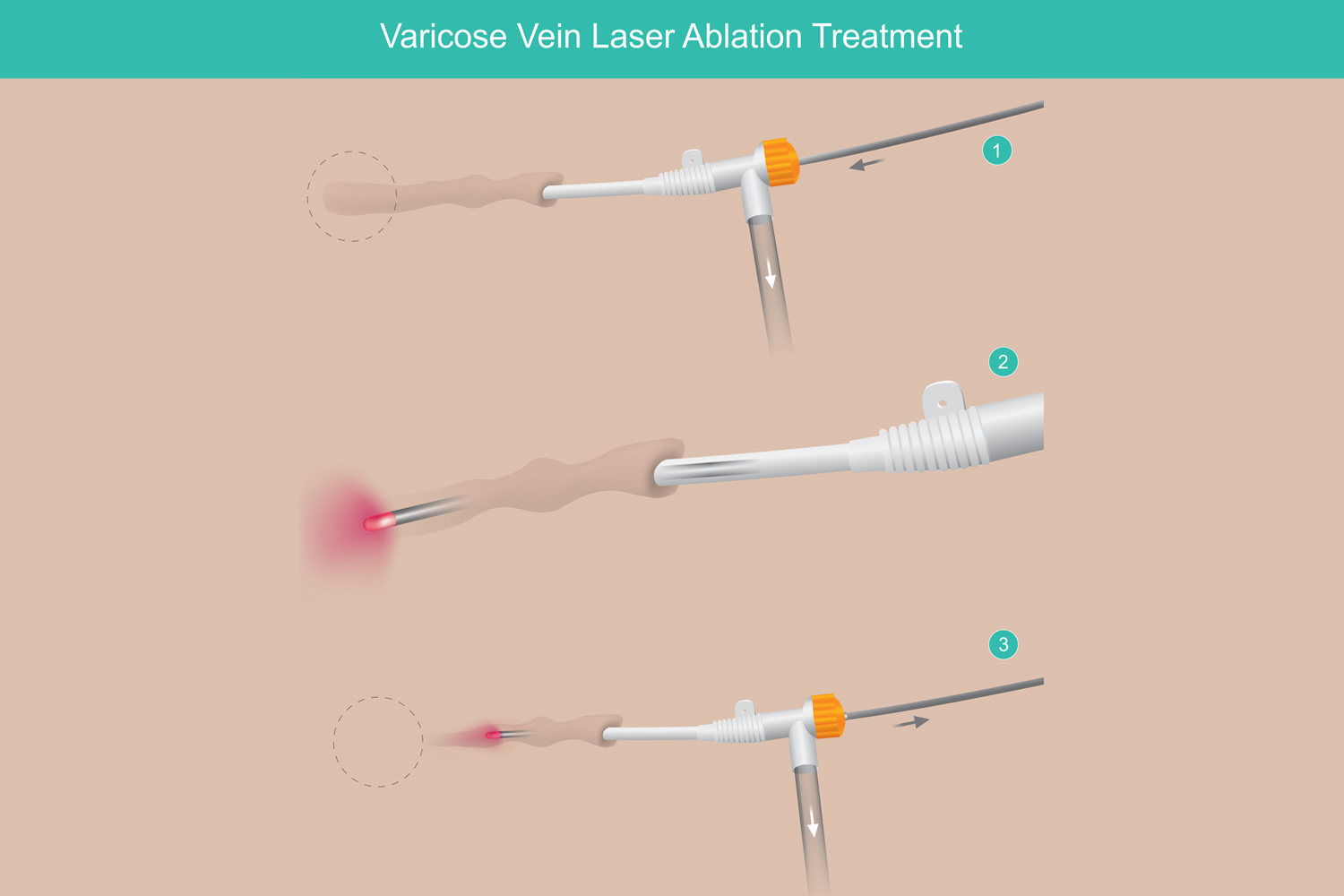
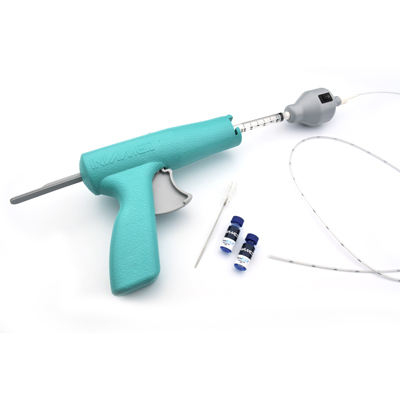
ClariVein®is another technique in the endovenous varicose vein treatment known as mechanochemical venous ablation which utilises a revolutionary catheter tip which spins within the vein, damaging the walls of the vein. A chemical sclerosant is used in conjunction with this to destroy the vein. The advantage of this technique is that it does not generate heat, and therefore does not require the use of tumescent anaesthesia. This means less bruising, no pressure in the leg from anaesthetic, and less post-operative discomfort and a quicker return to normal. This is a newer technique than EVLA, and therefore has less long term data to back its effectiveness. However, current data so far continues to support this modality as a treatment that is shaping up to be as effective as EVLA.
Glue Technique
This is the most recent advancement in the management of varicose veins. This technique uses superglue to stick the vein walls together. In due course, the glue initiates a scarring process and the veins shrivel and get destroyed.
Unlike laser and radiofrequency, this technique does not require numerous injections. One single injection at the point of entry is all that is required. Once complete there is no need for compression stockings. Pain and discomfort are reported to be less after glue usage.
The disadvantage is that the method has been approved for clinical use only recently. Hence there is not much evidence of long term results ( 10 years and beyond). Endothermal ablation has evidence for a 97% occlusion rate at 10 years. The glue is applied 5cm away from the junction unlike laser/Radiofrequency (2cm) from the junction. Therefore the risk of recurrence is theoretically high for glue.
If you choose to have glue to treat your veins, you agree to be part of clinical governance meaning you will agree to be seen annually for 5 years to check the veins by ultrasound and leg clinically.
Procedure | Cost from |
Consultation including ultrasound scan | £200 |
Single leg EVLT | £1800 |
Both legs EVLT | £2300 |
Single leg Sclerotherapy | £500 |
Multiple phlebectomy | £750 |
Clarivein one leg | £2000 |
Clarivein both legs | £2300 |
Glue one leg | £2000 |
Glue both legs | £2300 |
Glue Technique
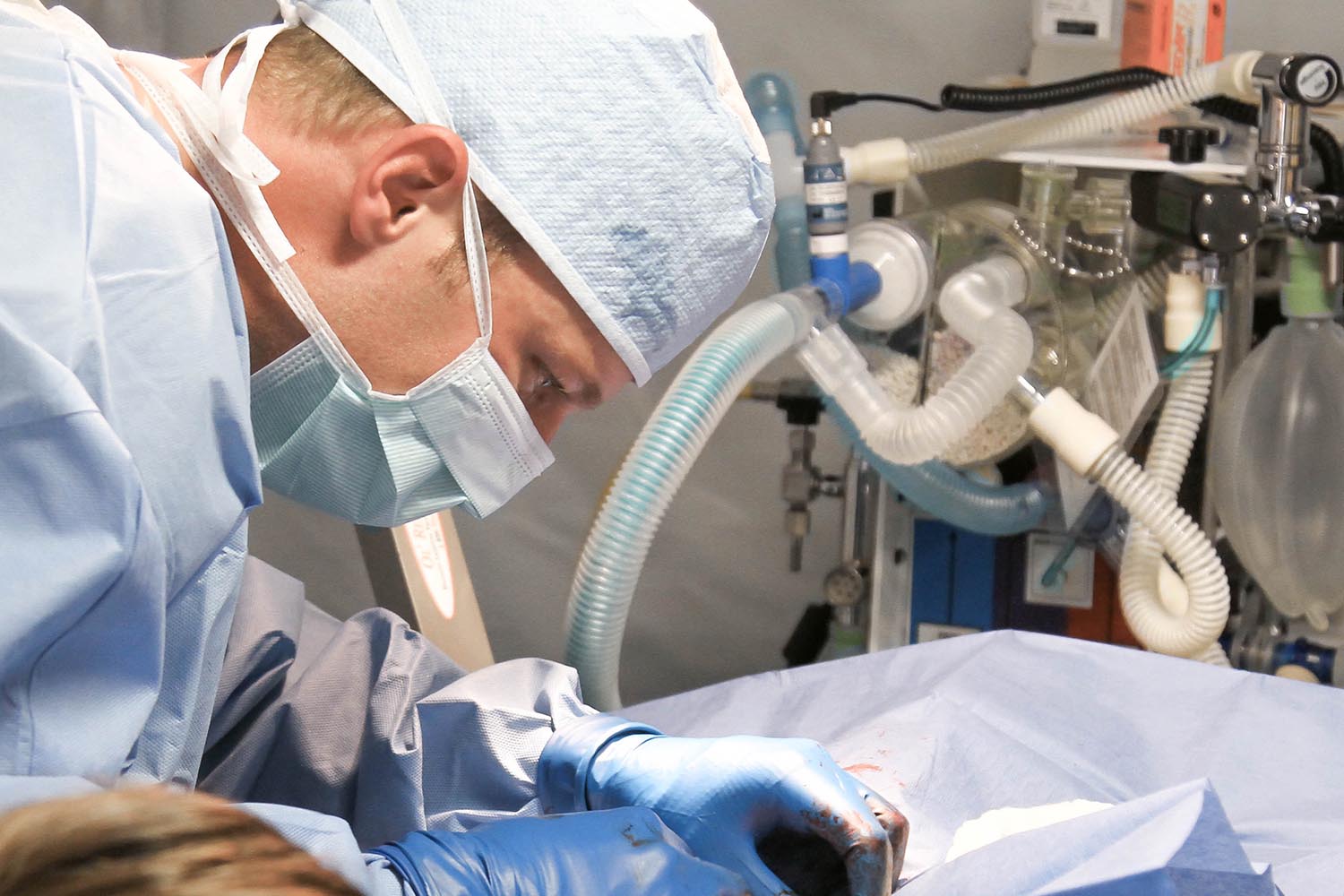
This is the most recent advancement in the management of varicose veins. This technique uses superglue to stick the vein walls together. In due course, the glue initiates a scarring process and the veins shrivel and get destroyed.
Unlike laser and radiofrequency, this technique does not require numerous injections. One single injection at the point of entry is all that is required. Once complete there is no need for compression stockings. Pain and discomfort are reported to be less after glue usage.
The disadvantage is that the method has been approved for clinical use only recently. Hence there is not much evidence of long term results ( 10 years and beyond). Endothermal ablation has evidence for a 97% occlusion rate at 10 years. The glue is applied 5cm away from the junction unlike laser/Radiofrequency (2cm) from the junction. Therefore the risk of recurrence is theoretically high for glue.
If you choose to have glue to treat your veins, you agree to be part of clinical governance meaning you will agree to be seen annually for 5 years to check the veins by ultrasound and leg clinically.
Frequently Asked Questions
- What is Radiofrequency and how is it different to laser?
- What is Foam sclerotherapy?
- What is microphlebectomies?
Radiofrequency also uses heat as a modality of treating varicose veins. The difference between radiofrequency and laser is that one uses a microwave to heat and the other uses a laser (light). The results and the procedures are the same but the cost of radiofrequency is higher.
Injecting a chemical irritant into the vein with air/gas is foam sclerotherapy. It does not involve anaesthesia. The number of injections required depends on the severity of the varicose veins. Most people have very good results. Some have staining for some time before it gets better.
Microphlebectoomies is disconnecting the varicose veins so that blood does not flow through them. If blood does not flow through the veins the veins are not visible themselves. This procedure involves local anaesthesia. Patients up with very good cosmetic result soon after the procedure but the chances of recurrence is high.
Send us
your message
There are three 3 easy ways to contact us:
-
Call us now on 07492 185412
-
Request a callback, using the form below
-
Send us an email care@integura.co.uk, or fill in the form below.

CLINIC ADDRESS
Integura
No 7 Blyth Road
Bromley BR1 3RS
REGISTERED ADDRESS
Adithya Enterprises Limited
97b plaistow lane
Bromley BR1 3AR
Copyright by Integura 2022. All rights reserved.
Copyright by Integura 2022. All rights reserved.